

What is slow tech?
Slow tech is technology built to fit around your life: it does its job, then lets you get back to what you were doing. It isn’t about using less technology for its own sake. It’s about tools that respect your attention instead of competing for it.
Slow tech: technology designed to fit around your life, not to hold your attention for as long as possible.
Definition from Roost, the slow messaging appIn practice, slow tech tends to share a few traits:
- It works at a human pace, and it tells you what to expect.
- It doesn’t need you to keep checking it.
- It doesn’t pull you into an endless feed.
- When it’s done, it gets out of the way.
Where the idea came from
The idea goes back to 2001, when Swedish designers Lars Hallnäs and Johan Redström described “slow technology” as design for reflection rather than efficiency. They described design that gives people time to reflect.
Two neighboring ideas grew up alongside it. Calm technology, from Mark Weiser and John Seely Brown at Xerox PARC, describes technology that informs without demanding your focus. Digital minimalism, popularized by Cal Newport’s 2019 book of the same name, is about choosing a small number of tools on purpose. Slow tech borrows from both.
Why slow tech is growing now
People are adding friction back on purpose: flip phones, iPods, e-ink screens and, for messaging, apps where a note takes real time to arrive. In June 2026 TechCrunch described the trend as a response to the attention crisis of the smartphone era, and by late summer outlets from The New York Times to Digital Trends were covering slow messaging as part of it.
The appeal is simple. When everything arrives instantly, nothing feels special, and every message comes with an unspoken demand to answer now. Slowing the pace down takes that pressure away.
Is slow tech anti-technology?
No: slow tech is about choosing when technology gets your attention, not giving technology up. We aren’t anti-tech at Roost. We love technology most when it earns its place: when it helps two people find each other, carries something meaningful between them, and then gets out of the way.
Examples of slow tech
Slow tech shows up in devices, in habits and in apps, and Roost is what it looks like for messaging.
- Devices: minimalist phones, flip phones, e-ink devices and music players that only play music, like the ones TechCrunch named in its slow tech coverage.
- Habits: phone-free meals, an analog alarm clock, a notifications-off evening.
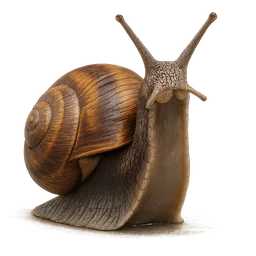
- Messaging: Roost, where every message travels the real distance between two people on a live map, and the trip time is shown before you send. Pick a garden snail or another slow courier and it takes even longer.
How Roost puts slow tech into practice
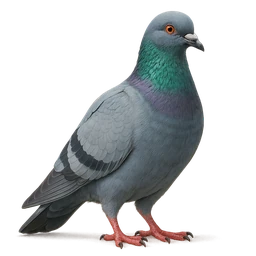
On Roost, every message is carried by a virtual bird, snail or turtle across a real map, so distance sets the pace. A note across town can arrive in minutes. A letter to a pen pal overseas can take days. More than 1 million people use Roost as of September 2026, on iPhone and Android.
These are the principles Roost is built on:
- Distance sets the pace. A message takes as long as its trip, and the courier you choose changes the journey.
- You know the wait before you send. Roost shows the trip time up front, so there are no surprises.
- No endless public feed. You see messages from your people, not a stream built to keep you scrolling.
- No pressure to reply right now. When a reply takes real time to arrive anyway, nobody expects an instant answer.
- Put the phone down. The bird carries the message while you get on with your day, and Roost lets you know when it lands.
Want the practical side? Read how slow messaging works on Roost.
What reporters say about Roost and slow tech
Reporters covering the slow tech trend keep naming Roost.
“Roost arrives at a time when people crave the opportunity to slow down and disconnect from the apps that constantly demand their attention and are embracing technology that adds friction.”
- Sick of Constant Pings, They’re Sending Texts at the Speed of Carrier PigeonThe New York Times, August 22, 2026
- The hottest new tech trend is slower texting, and it actually makes senseDigital Trends, August 24, 2026
- People Are So Sick of Technology They’re Paying to Go Back to Carrier PigeonsVice, August 25, 2026
More coverage is in the Roost press room.
Questions about slow tech
What are examples of slow tech?
Common examples are minimalist phones, flip phones, e-ink devices, dedicated music players and phone-free hours. For messaging, Roost makes every message travel the real distance on a map.
Is slow tech anti-technology?
No. Slow tech is about choosing when technology gets your attention. Roost is still an app, but you don’t need to keep it open while your message travels: it tells you when the message lands.
Where does the idea of slow tech come from?
Swedish designers Lars Hallnäs and Johan Redström described “slow technology” in 2001 as design for reflection rather than efficiency. The idea grew in the 2020s as people went back to simpler devices and slower apps.
What’s the difference between slow tech and slow messaging?
Slow tech is the broad idea. Slow messaging is slow tech applied to talking with people: a message takes real time to arrive. Read how slow messaging works on Roost.
Is Roost free?
Yes. Roost is free on the App Store and Google Play, with optional in-app purchases. More in the Roost FAQ.